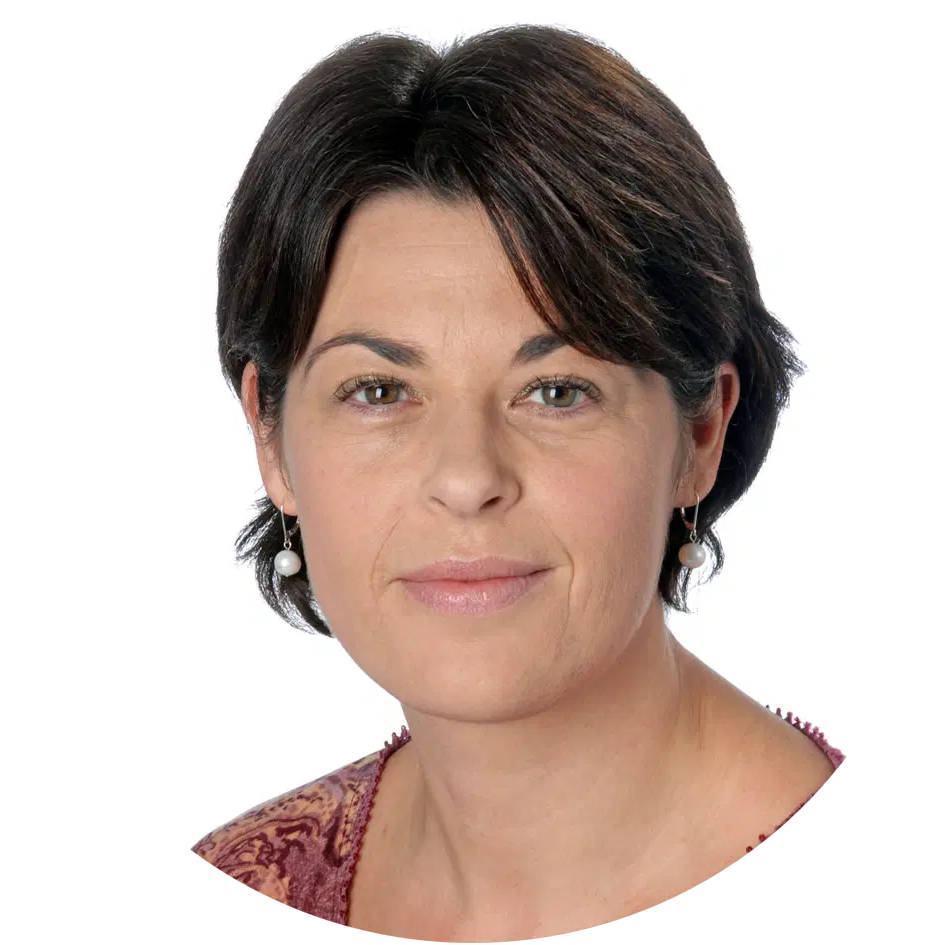
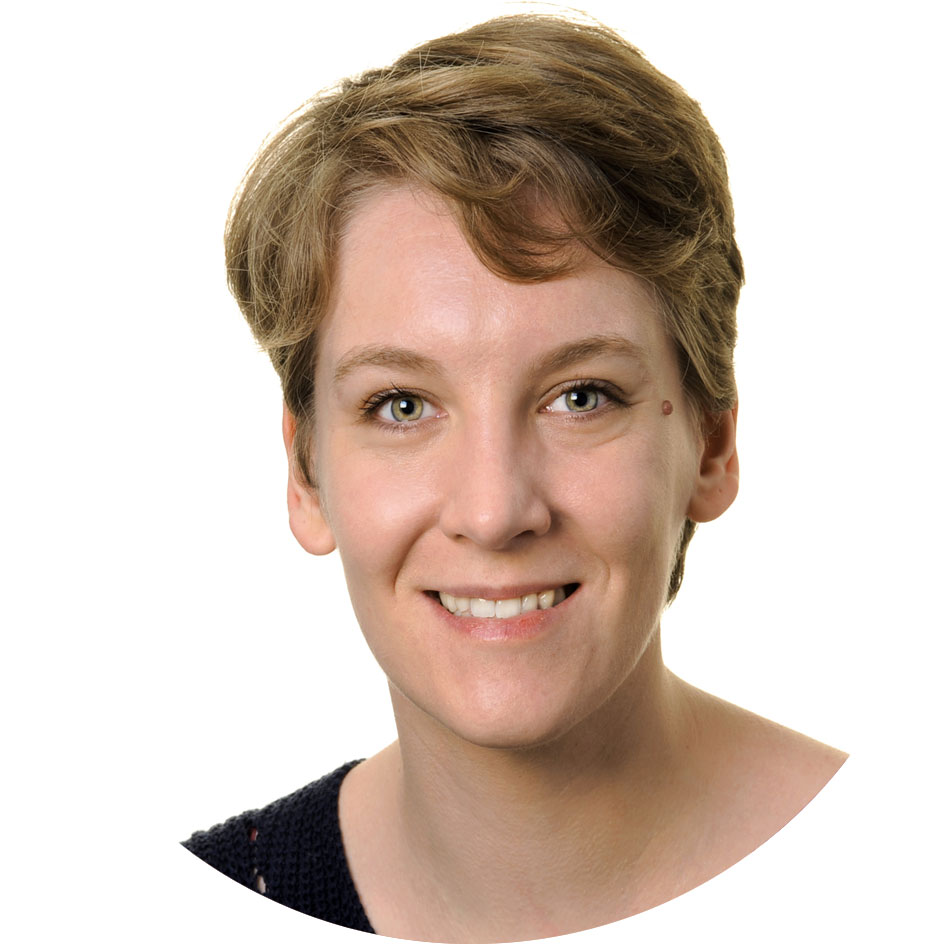
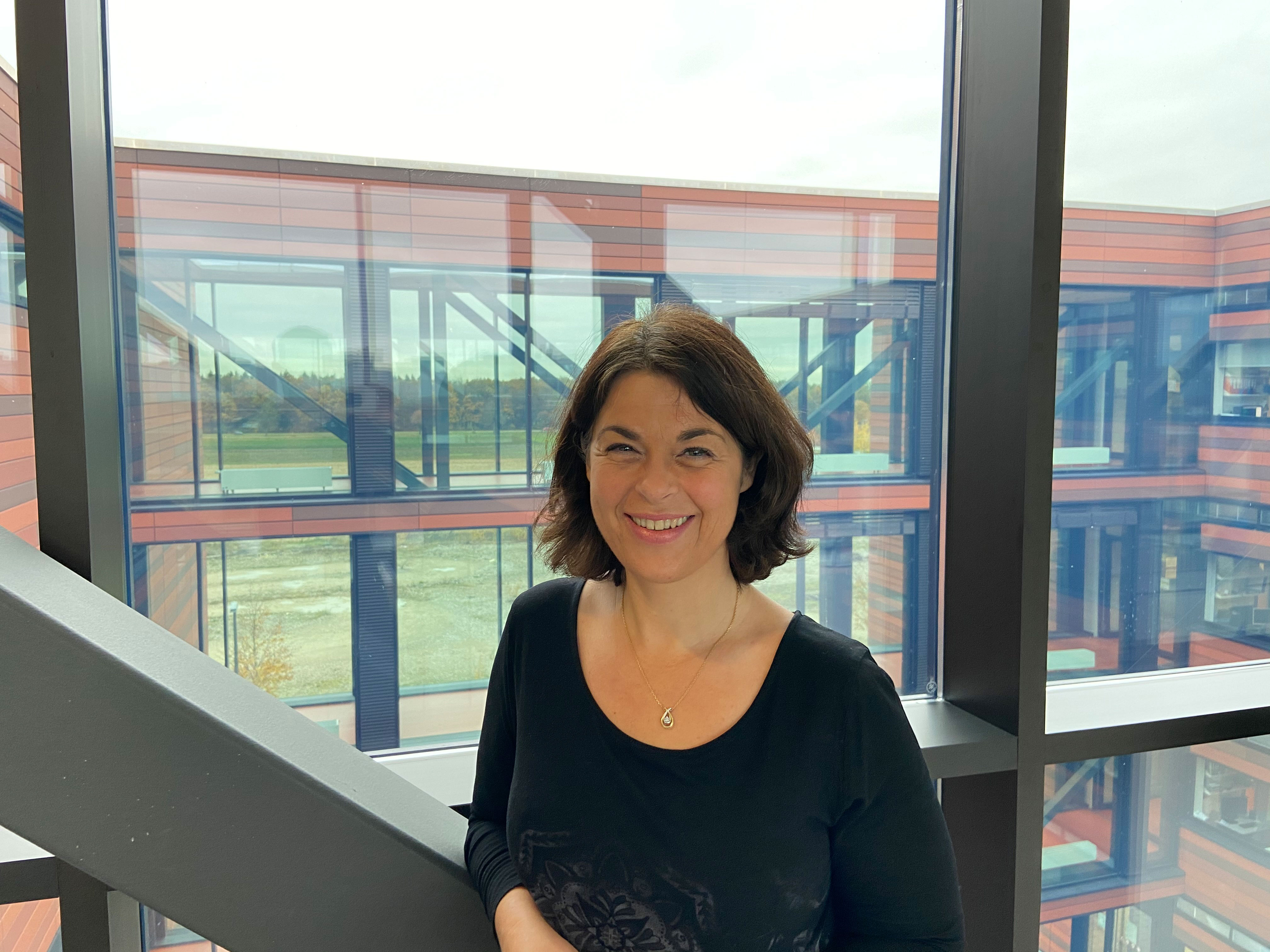
PD. Dr. rer. nat. Florence Bareyre
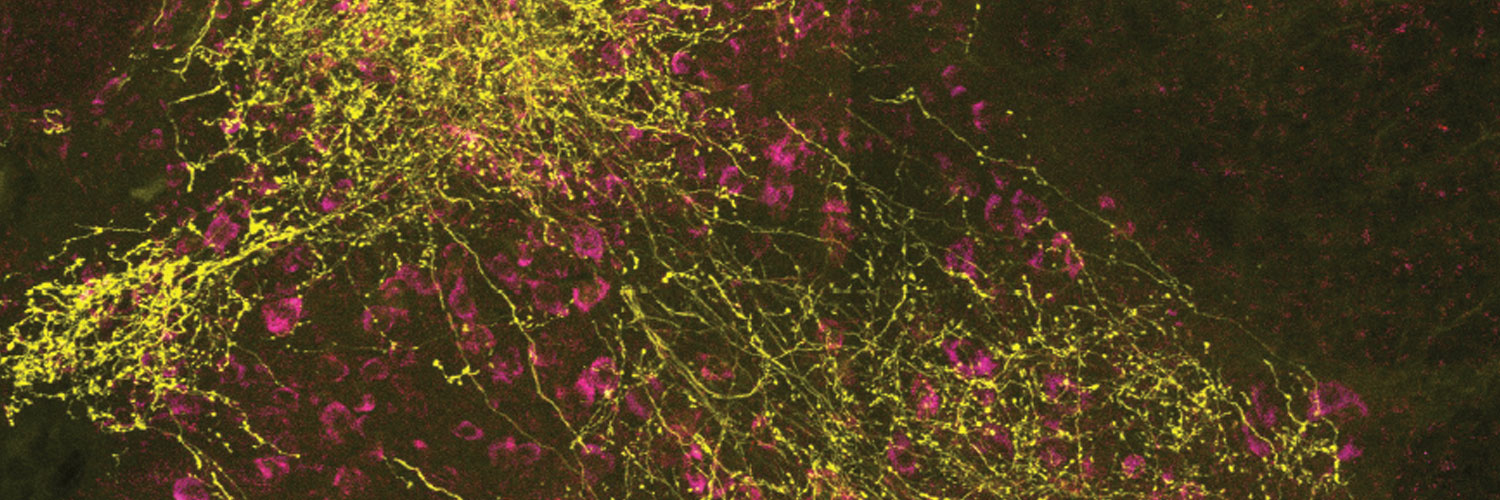
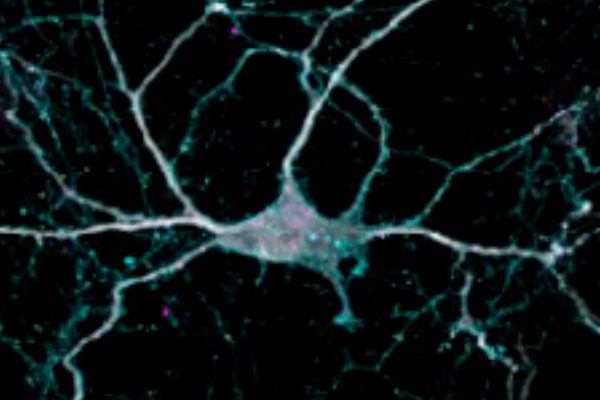
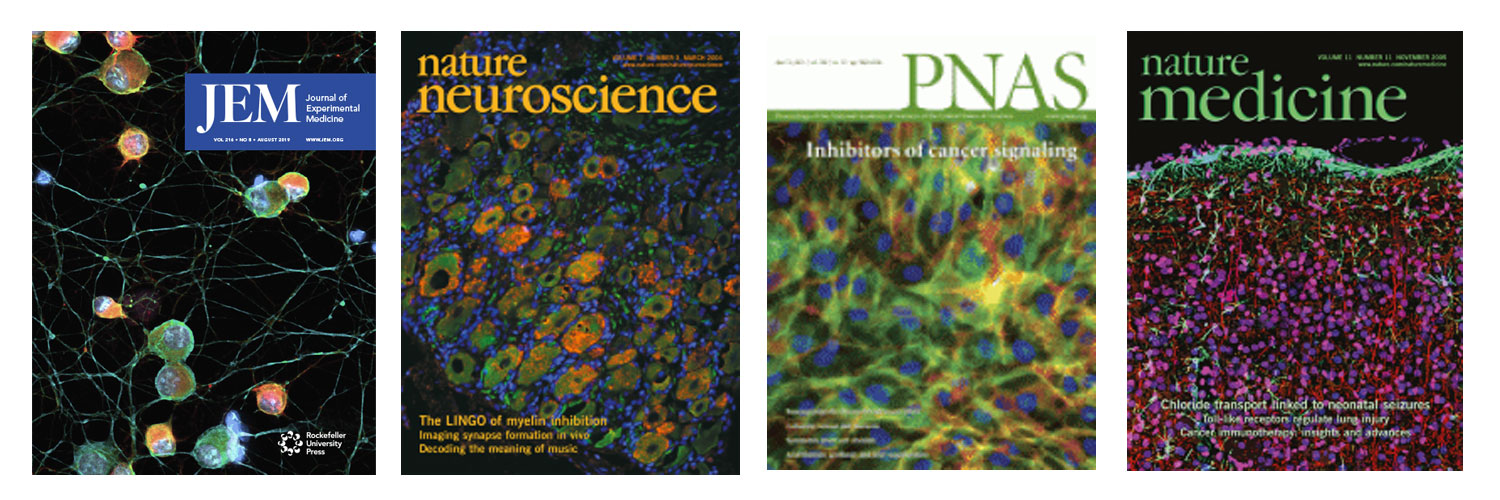
I have been working on brain and spinal cord injuries for more than 20 years and my goal is to understand how innate plasticity can be harvested to foster functional recovery following injury. Key research achievements include the first reports that the spinal cord can spontaenously undergo plastic remodelings following traumatic lesion (Nature Neuroscience 2004 and Nature Medicine 2005). Recent key work demonstrated that the transcription factor STAT3 iinitiates axonal regeneration (PNAS, 2011), that presynaptogenic organizers such as FGF22 are necessary to post-injury synapse formation (EMBO J, 2015) and that neuronal activity is a key process that drives plasticity in the injured spinal cord (JEM, 2019).
Training
1992 – 1994 Bachelor Biochemistry, University Paris VII, France
1994 – 1996 Master Biochemistry, University Paris VII, France
1996 –1997 Post Master Pharmacology, University Marne-la-Vallée, France
2003 Ph.D (Medal of excellence)
2003 – 2004 Postdoctoral fellow at the Dept. of Anatomy and Neurobiology, Washington University School of Medicine, St. Louis, USA
2004 –2005 Postdoctoral fellow at the Dept. of Molecular and Cellular Biology, Harvard University, Cambridge, USA
Academic positions & appointments
2003 Ph.D., Brain Research Institute, Swiss Federal Institute of Technology (ETH) Zurich, Switzerland with the “Medal of Excellence”.
2003 – 2005 Post-Doc, Dept. of Anatomy and Neurobiology, Washington University and Dept. of Molecular and Cellular Biology, Harvard University, Boston, USA
2005 – 2007 Post-Doc, Institute of Clinical Neuroimmunology, LMU Munich, Germany
2008 – 2014 Leader of a BMBF Young Investigator Group, Institute of Clinical Neuroimmunology, LMU Munich, Germany
since 2012 Principial investigator of the Excellence Cluster, Munich Cluster for Systems Neurology (SyNergy), Munich, Germany
2014 Habilitation in Neuroimmunology, LMU Munich, Germany
since 2015 Member and research group leader at the Biomedical Center, LMU Munich, Germany
Collaborative Research
since 2010 Member and PI of the Collaborative Research Center 870 “Neuronal Circuits”
since 2011 Core Faculty Member of the Graduate School of Systemic Neurosciences funded by the DFG Excellence Initiative
since 2012 Member and PI of the DFG-funded Excellence Cluster “Munich Cluster for Systems Neurology” (SyNergy)
since 2014 Board Member of the Collaborative Research Center 870 “Neuronal Circuits”
since 2019 Member and PI of the Collaborative Research Center 274 “Checkpoints of CNS recovery”
Awards & honors
2003 Dissertation Medal of Excellence, ETH Zürich
2003 – 2005 Postdoctoral fellowship from the Swiss National Foundation (SNF)
2005 – 2007 EMBO long-term fellowship
2007 Sobek junior price for multiple sclerosis research (German MS Foundation)
2008 – 2014 Independent group leader award, Neuroscience program of the Federal Ministry of Education and Research (BMBF)